
Hippodrome Istanbul, Turkey
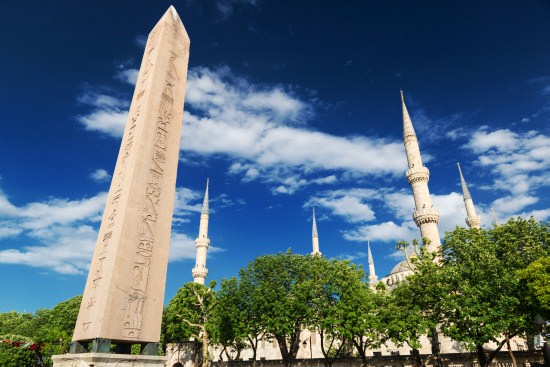
HIPPODROME
The hippodrome was where the ancient chariot races, athletic and gladiator competitions were held. Its construction began in 203 by the Emperor Septimus Severus and it was subsequently enlarged by Constantine the Great. According to one estimation, it had a capacity of 100.000 people. After the Nika riots in 532, the chariot races lost their importance and in 1204, during the fourth crusade, it was greatly damaged. After the conquest of the city by the Ottoman Turks in 1453, the area served as one for horse trading. For that reason, the area is named At Meydani (horse square) today.
There are three important monuments in the area:
1. The Egyptian Obelisk – built in the 16th century BC by the Pharaoh Tutmosis in Egypt. It was brought to Istanbul by boat in the 4th century AD.
2. The Serpentine’s Column – originally erected in the Temple of Delphi in Greece, but taken to Istanbul. Until the 17th century there were three bronze snake heads projecting from the column, but they have since been lost. One can be seen in the archaeological museum.
3. The Column of Constantine – although it is believed that this dates from the 10th century, evidence shows that it was built earlier than that. Until 1204, it was covered by bronze and silver. When the Crusaders came to the area, they pulled off the bronze and silver, melted them down and made coins out of them.
Book daily Istanbul sightseeing tours at www.toursistanbul.com from a range of guided tours.